One Year Diploma Program in Logistics & Supply Chain Management
Eligibility: Graduate Engineers/MBAs
Foundations of Supply Chain Management
Course Description:
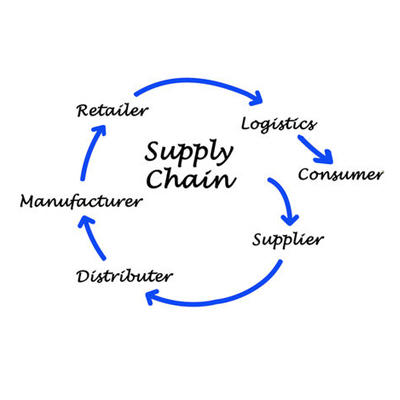
Managing an organisation's logistics and supply chain management was for many years a neglected management activity. As a result of an article in Fortune in 1962 written by Peter Drucker, businesses became aware that 50 percent of each dollar consumers spent on goods financed activities that occur after the goods leave the factory, thus focusing attention on the potential efficiency savings that managing these activities could achieve. In the 50 years that has passed, business has seen massive changes; a complete management discipline has been built resulting in the integration and coordination of materials flows into, through, and out of, manufacturing facilities achieving exceptionally high levels of productivity. Logistics and supply chain management now plays a major role in implementing organisational strategy and in many industries has sole responsibility for managing customer service. An understanding of the role of this activity within an organisation and how an understanding of logistics and supply chains can assist business managers to better respond to market opportunities is essential for business students. Students undertaking this unit will be given a solid grounding in the language, concepts, techniques and principles that underlie the field of logistics and supply chain management, and how knowledge of these concepts can contribute towards a strategically effective and operationally efficient organisation or network of organisations.
Lectures:12 x 3.5 hr
Workshops:6 x 3 hr
Quantitative Logistics & Transport
Course Description:
Successful logistics transport and infrastructure management relies on the ability to analyse and transform data into usable information to support decision making. This unit emphasises the practical aspects of quantitative analysis with computer based workshops providing students with highly marketable skills in MS Excel. Students are guided through the basic theories used in decision making but emphasis is placed on how the theories are applied in practice, drawing on real world experience in quantitative analysis. The unit covers basic statistical analysis, linear regression, demand forecasting, spreadsheet modelling and linear programming.
Lectures:9 x 3.5 hr
Computer Laboratory:5 x 3.5 hr

Value Chain Costing
Course Description:
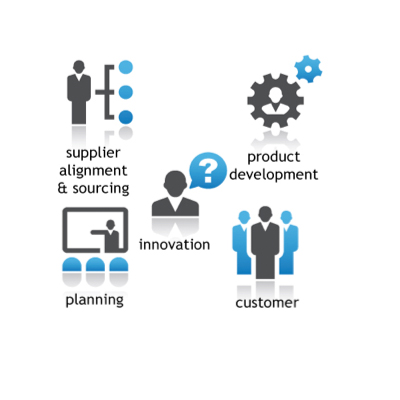
Networked organisations are becoming a significant organisational structure in manufacturing and distribution. This unit develops students' understanding of the finance and accounting activities that need to be undertaken during the value adding processes that a business must fulfil. Emphasis is placed on the network aspects of costing processes and activities but relevant financial topics that impact on value chain network structures will also be introduced, such as financial and operational gearing, alternative methods of financing the operations activities, and risk management. Of importance is the notion of added value and how its quantitative value may be calculated as the aggregate added value accumulated within the value chain network; for example a cell phone may cross a number of international borders during manufacture and distribution, value is added by each process but what is the total value added and how much? This introduces another topic - how do we share the value generated by a network organisation among the network members? Answers to these questions need to be resolved to ensure the long-term growth and survival of the value chain network
Lectures:8 x 3.5 hr
Tutorials:4 x 3.5 hr
Supply Chain Planning Systems
Course Description:
This unit provides a detailed coverage of various analytical tools, techniques and software which are used both strategically and operationally in a wide range of logistics and supply chain contexts. Emphasis in the unit is on which tools to use and when to use them in order to improve overall performance and reduce costs in operating within supply chains. All techniques are implemented practically, and in addition, students are exposed to the SAP enterprise resource planning tool. Topics covered include inventory control, the optimisation of transportation flows, facility location, project management, and the role of ERP and other software in solving these problems. The unit is taught in lecture and laboratory formats.
Lectures:6 x 3 hr
Computer Laboratory:6 x 3 hr
Contemporary Procurement
Course Description:
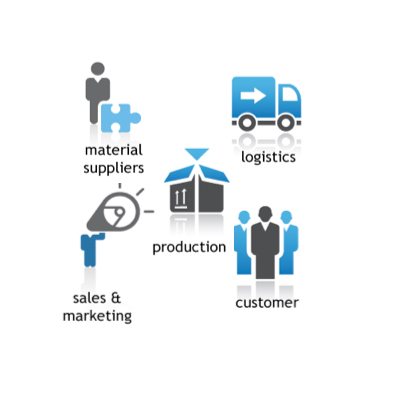
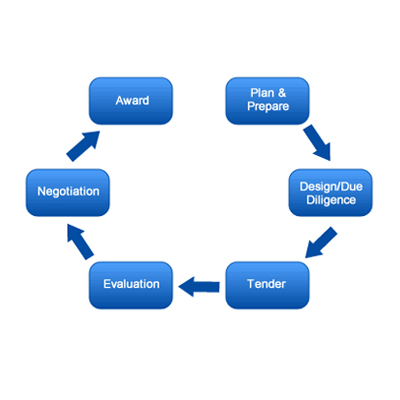
Globalisation of supply markets and changing regulatory environments pose new challenges for strategic procurement. This unit explores the role that procurement departments in both manufacturing and service sectors can play in generating cost savings for companies competing in volatile global marketplaces. Students will gain practice-based insights into internal and external relationship management issues, category-specific sourcing strategies, sourcing risks, and, spend management and contract management strategies. The unit will draw on a number of international cases to illustrate key concepts. The content is suitable for both early career procurement professionals as well as students considering procurement as a future career option.
Lectures:8 x 3.5 hr
Tutorials:4 x 3.5 hr
Warehouse & Inventory Management
Course Description:
Warehouses play an important role in supply chain management and will continue to do so in the foreseeable future. This unit provides students with an in depth understanding of key topics in warehouse and inventory management including warehouse design, warehouse processes, stock counting, costs, performance, outsourcing, and environmental impacts. Warehouses also continue to evolve with advances in technology. The unit examines the role of evolving technologies and the GS1 standard in the context of warehouse and inventory management. Case studies and software packages will be used to aid learning wherever applicable.
Lectures:8 x 3.5 hr
Tutorials:4 x 3.5 hr

Global Freight Logistics Management
Course Description:
This unit seeks to give students an understanding of the management of international freight, including express, freight forwarding, air freight and ocean shipping. The unit will discuss underlying drivers of international trade flows and the demand for capacity in different freight transport modes, as well as industry structure, regulatory environment (customs, etc.) and market access. Building on this background the unit will highlight the implications for profitable air cargo and shipping operations. Particular focus will be given to fleet and network planning, revenue and cost management. The material covered in the unit will take into account recent developments in global and regional economic activity and discuss implications for the various sectors of the air, sea and intermodal freight businesses. This unit covers operators, customers and investors perspectives and strategies and intermodal freight businesses.